Diving destination
Diving in Izu Peninsula
Compare local operators by available safety, staff, and gear evidence. Rankings are independent and never paid.
Compare Dive Centers in Izu Peninsula
View all 27 published center profiles →Ordered by planning usefulness and available evidence. Trust Score remains a separate safety-evidence signal; a missing flag is not proof of safety. How is it calculated?
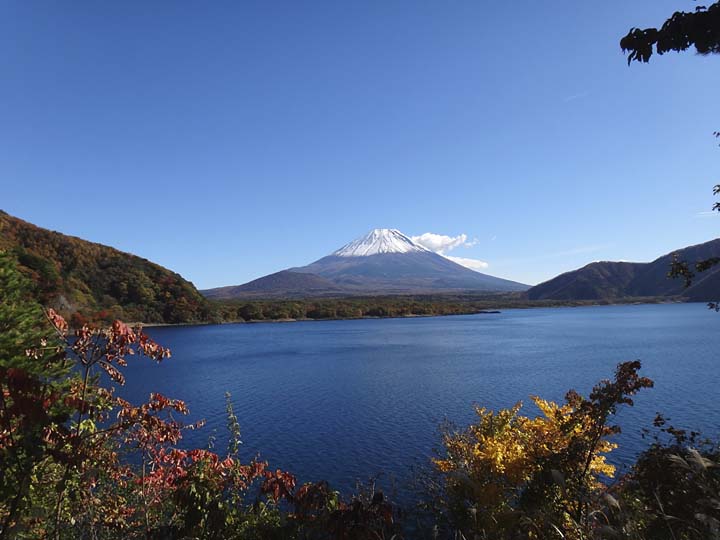
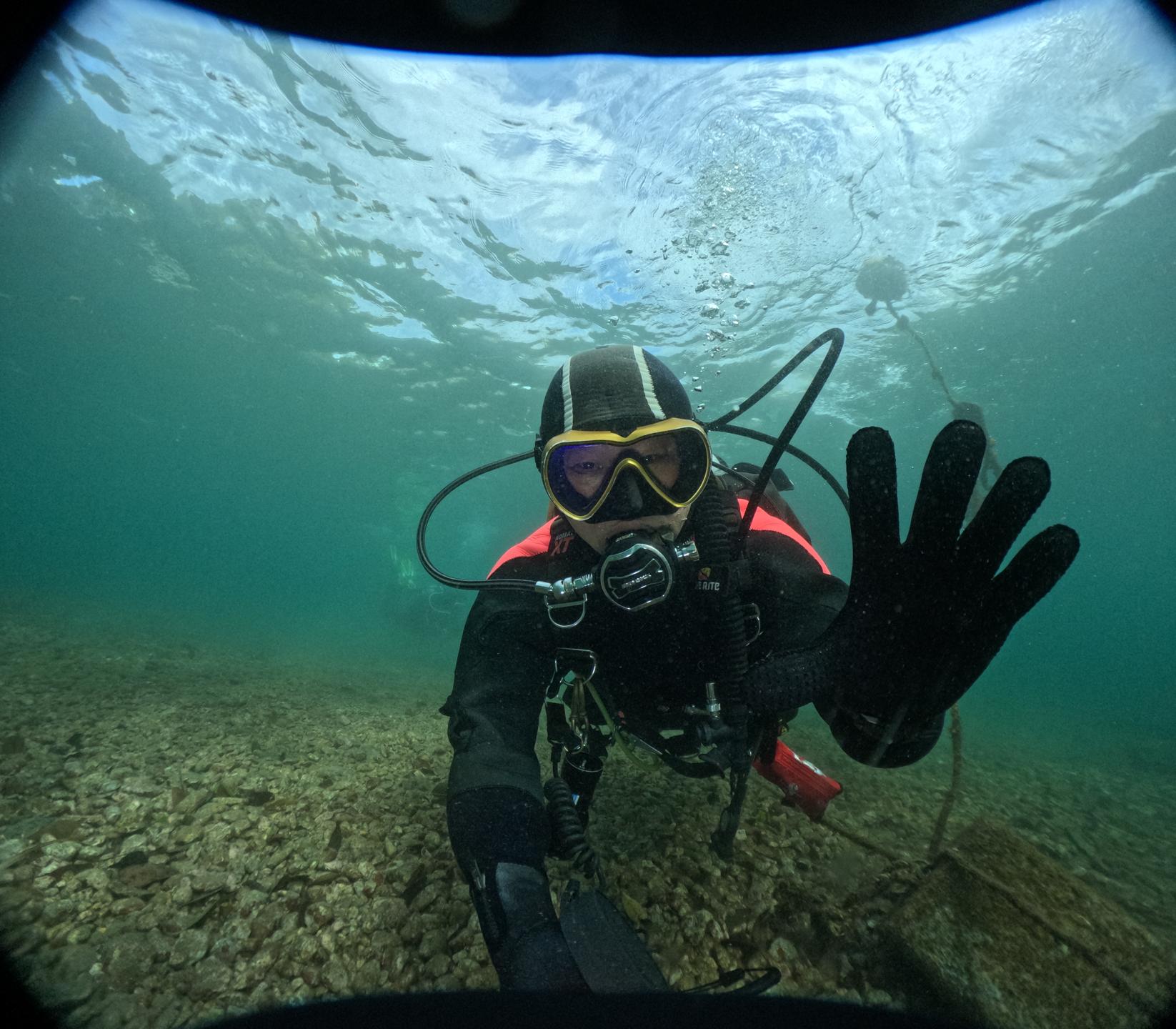
Dive Sites to Explore in Izu Peninsula
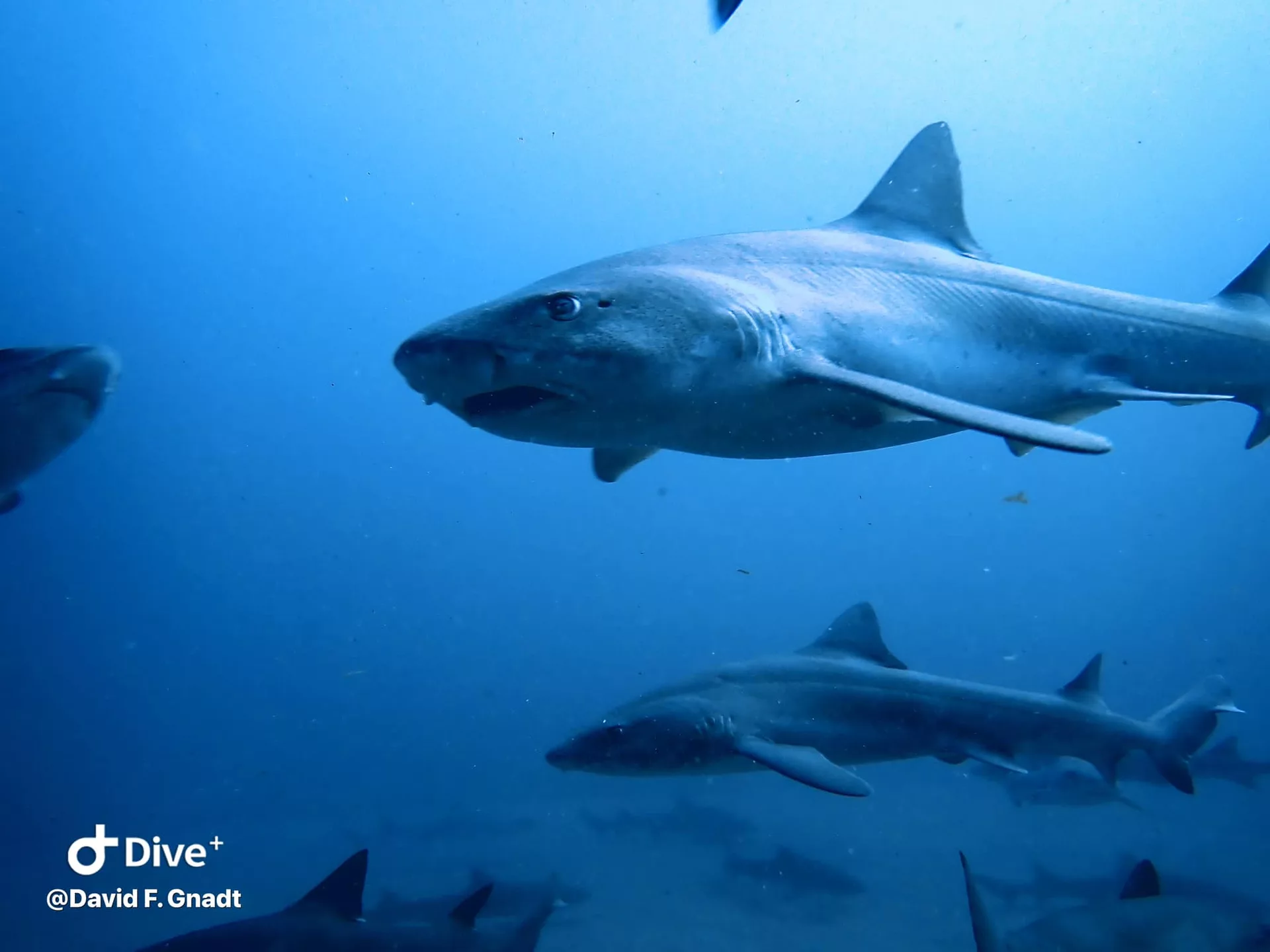
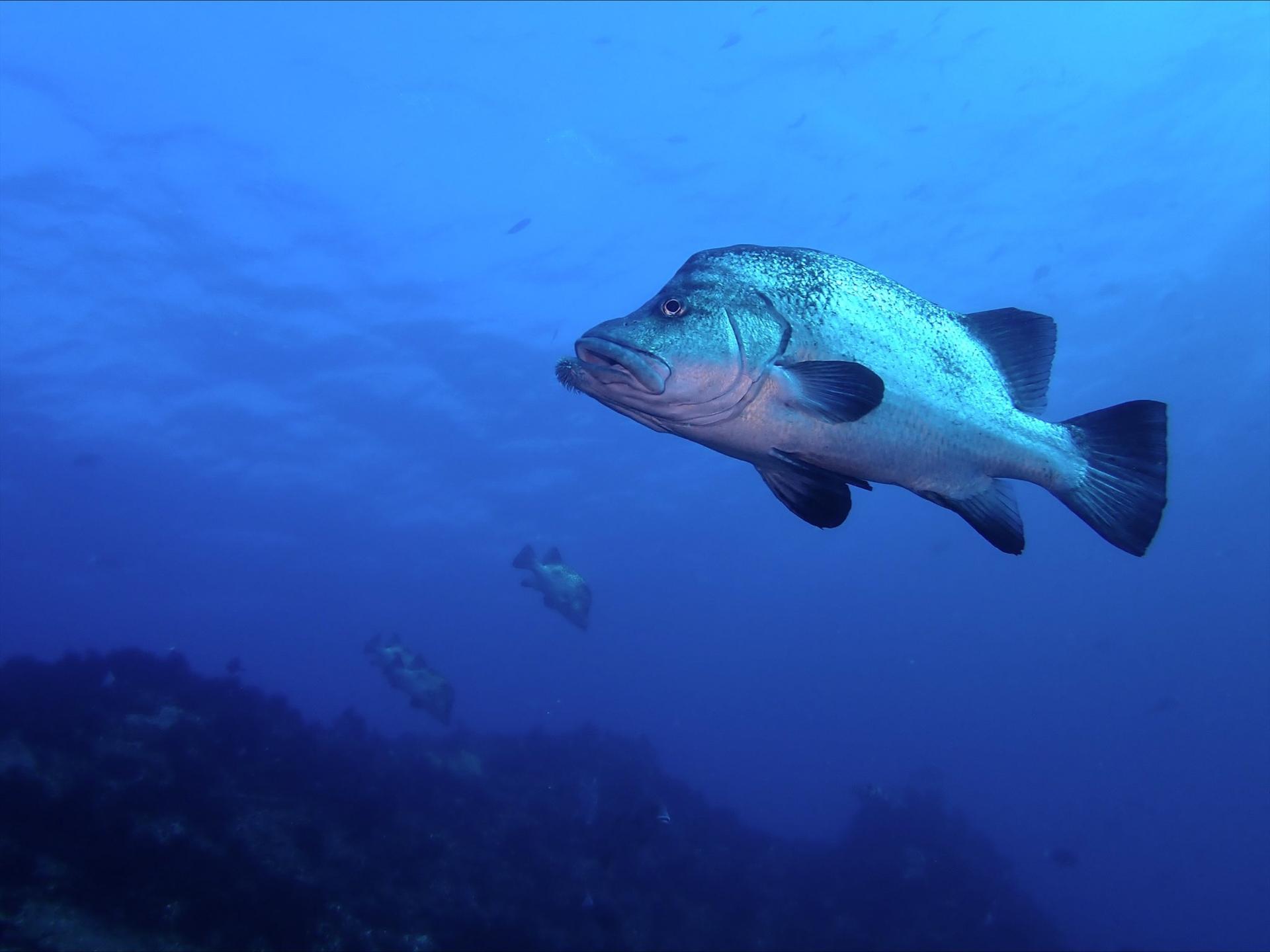
Marine life in shown source records: Hammerhead shark, Bream, Frogfish, Nurdibranchs, Seaslugs, Sharks

Frequently Asked About Diving in Izu Peninsula
How many dive centers are in Izu Peninsula?
▾
ScubaProof tracks 27 published center profiles in Izu Peninsula. This page shows 8 profiles ordered by Trust Score. Rankings cannot be purchased.
What safety evidence is available for dive centers in Izu Peninsula?
▾
Among the 8 profiles shown, 8 have no active flags recorded in the processed evidence and the displayed average Trust Score is 4.9/5. 0 shown centers have active signals to review. An empty flag list is not a safety guarantee.
How deep are the dive sites in Izu Peninsula?
▾
Izu Peninsula has 8 nearby dive-site profiles on ScubaProof. Among the 6 profiles shown here, the greatest recorded maximum depth is 40m. Available source records for the displayed sites mention Hammerhead shark, Bream, Frogfish, Nurdibranchs, Seaslugs, Sharks.
What marine life can I see diving in Izu Peninsula?
▾
The source records attached to the 6 dive-site profiles shown here mention Hammerhead shark, Bream, Frogfish, Nurdibranchs, Seaslugs, Sharks. Sightings are not guaranteed and vary by season and conditions.
About the ScubaProof Trust Score
Safety: Emergency O₂ readiness, instructor-to-diver ratios, dive briefing quality, and proximity to a hyperbaric chamber. Safety carries the highest weight because DAN incident research identifies supervision and emergency response as the leading factors in preventable diving fatalities.
Staff: Active agency certifications (PADI, SSI, TDI, CMAS), language coverage, and instructor conduct described across reviewer reports.
Gear: Equipment condition, servicing transparency, nitrox availability, and rental quality reported by divers.
Red flags add automatic penalties: −0.8 pts per critical issue (equipment failure, skipped safety protocols), −0.3 pts per warning. Reviews are time-weighted — a report from three years ago carries 20% of the weight of a current one. No dive center can pay to improve its score.